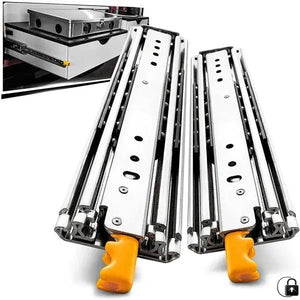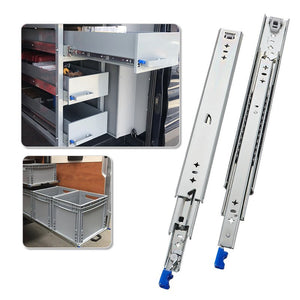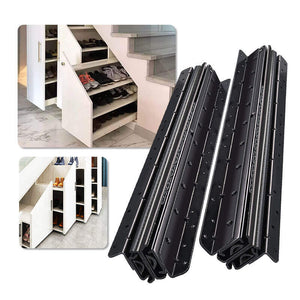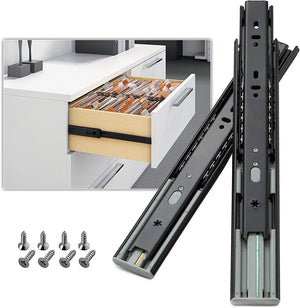

In 2026, drawer slides and drawer runners are used more frequently than ever in UK homes. Kitchens are opened dozens of times a day, wardrobes carry heavier loads, home offices store more equipment, and garages are turning into highly organized workspaces.
Yet many homeowners and installers still face the same frustrating questions:
-
Why does my drawer feel rough or noisy?
-
Why does it sag when fully loaded?
-
Why doesn’t it close properly anymore?
-
Is it an installation issue — or the wrong drawer slides?
This guide is written specifically to diagnose, explain, and solve common drawer slide problems seen in real UK homes and projects in 2026.
Rather than repeating basic installation steps, this article focuses on understanding problems, fixing them correctly, and knowing when it’s time to upgrade.
Why Drawer Slide Problems Are More Common in 2026
Modern storage has changed. In 2026, drawers are:
-
Deeper than before
-
Carrying heavier items
-
Used more frequently
-
Expected to operate quietly and smoothly
As a result, drawer slides are under more stress than in the past. Many issues don’t appear immediately, but develop over time due to load, alignment, or design mismatch.
Understanding the cause is the first step to fixing the problem permanently.

Problem 1: Drawer Feels Rough or Noisy When Opening
Common Symptoms
-
Grinding or scraping sounds
-
Drawer movement feels uneven
-
Increased resistance halfway through
Likely Causes
-
Drawer slides installed out of level
-
Dirt or debris in the slide track
-
Drawer runners not suitable for the load
Practical Fixes
-
Check slide alignment using a spirit level
-
Clean slides thoroughly (do not lubricate unless specified)
-
Reduce load temporarily to test movement
If the drawer still feels rough, the slides may be undersized for the application.
Problem 2: Drawer Sags When Fully Extended
This is one of the most common drawer slide problems in the UK.
Why It Happens
-
Load rating exceeded
-
Partial extension slides used in deep cabinets
-
Cabinet structure not reinforced
In 2026, drawers often store heavier items such as cookware, appliances, or tools — far more than traditional drawers were designed for.
Best Long-Term Solution
-
Upgrade to full extension drawer slides
-
Choose slides rated above expected load
-
Reinforce cabinet side panels if necessary
Problem 3: Drawer Doesn’t Close Properly
Typical Signs
-
Drawer stops short
-
Drawer rebounds slightly
-
Soft-close no longer engages
Possible Reasons
-
Misaligned drawer runners
-
Worn soft-close mechanism
-
Cabinet settling over time
What to Check First
-
Ensure slides are parallel
-
Inspect fixing screws for looseness
-
Test soft-close mechanism without load
In many 2026 homes, cabinet movement over time causes minor misalignment that affects closing performance.
Problem 4: Drawer Slams Shut or Feels Unsafe
In 2026, most UK homeowners expect drawers to close quietly. Slamming drawers are often a sign of outdated hardware.
Why This Happens
-
Standard drawer slides without damping
-
Soft-close system not rated for drawer weight
Upgrade Recommendation
Switch to soft-close drawer runners designed for modern loads.
This not only improves comfort, but also extends cabinet lifespan.
Problem 5: Drawer Works Fine — Until It’s Loaded
This is a classic mistake.
What’s Going Wrong
-
Drawer slides tested empty
-
Load added later exceeds capacity
-
Slides begin to twist or bind
Correct Approach in 2026
Always select drawer runners based on:
-
Fully loaded drawer weight
-
Frequency of use
-
Drawer depth and extension
Choosing slides rated 25–30% above expected load is now considered best practice.
When Fixing Is Not Enough: Signs You Should Upgrade
In some cases, adjusting or repairing drawer slides is no longer enough.
Upgrade Your Drawer Slides If:
-
Drawers sag even after alignment
-
Noise persists despite cleaning
-
Slides show visible wear or deformation
-
Usage demands have increased
In 2026, upgrading drawer runners is often more cost-effective than repeated repairs.
Choosing Better Drawer Slides for 2026 Upgrades
When upgrading, focus on:
-
Higher load ratings
-
Full extension for deep drawers
-
Soft-close for comfort
-
Proven durability for frequent use
For UK projects, always confirm compatibility with cabinet dimensions and installation clearances.
Preventive Tips to Avoid Drawer Slide Problems
To minimize future issues:
-
Do not overload drawers
-
Keep slides clean
-
Check fixings periodically
-
Avoid impact loading
Simple preventive care extends service life significantly.
Final Thoughts: Smarter Drawer Slide Choices in 2026
In 2026, drawer slides and drawer runners are no longer “fit-and-forget” components. They are critical to how modern storage performs, feels, and lasts.
By understanding common problems, knowing how to fix them, and recognizing when it’s time to upgrade, you can build storage systems that remain smooth, quiet, and reliable for years.
If your drawers are used every day, investing in the right drawer slides — and maintaining them properly — makes a difference you notice every single time.