
When it comes to cabinets, wardrobes, and furniture projects in the UK, drawer runners play a much bigger role than most people realize. A drawer may look simple on the outside, but the choice of runner determines how smoothly it opens, how much weight it can carry, and how long it will last.
Whether you’re a DIY homeowner upgrading your kitchen, a joiner building fitted furniture, or a designer specifying hardware for a project, choosing the right drawer runners can save time, money, and frustration.
This guide is written specifically for the UK market, using British terminology and real-world installation scenarios. We’ll explain the different types of drawer runners, where each type works best, and how to choose the right option for your cabinet project.
What Are Drawer Runners?
Drawer runners are the mechanical components that allow a drawer to slide in and out smoothly. In the UK, the term drawer runners is more commonly used than drawer slides, especially in residential, DIY, and joinery contexts.
They are widely used in:
-
Kitchen cabinets
-
Bedroom wardrobes
-
Bathroom vanities
-
Home office furniture
-
Utility and storage units
Although they all perform the same basic function, not all drawer runners are the same. Different designs suit different loads, aesthetics, and usage patterns.

Why Choosing the Right Drawer Runners Matters
Many cabinet problems are not caused by poor workmanship, but by incorrect runner selection. Common issues include:
-
Drawers that sag under weight
-
Noisy or rough movement
-
Limited access due to short extension
-
Premature wear and failure
By selecting the correct drawer runners from the start, you ensure:
-
Smooth and quiet operation
-
Proper load support
-
Longer service life
-
A more professional finished result
Main Types of Drawer Runners Used in the UK
Understanding the main categories is the first step in choosing the right product.
1. Side-Mount Drawer Runners
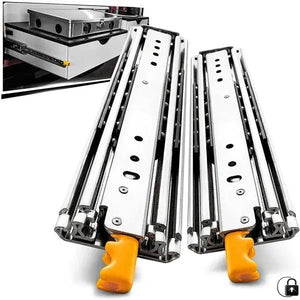
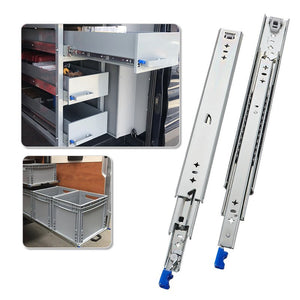
Side-mount drawer runners are fixed to the sides of the drawer and cabinet carcass. They are one of the most commonly used types in the UK.
Key features:
-
Visible when the drawer is open
-
Easy to install and adjust
-
Available in partial or full extension
-
Suitable for medium to heavy loads
Best for:
-
Utility cabinets
-
Workshop storage
-
Office furniture
-
Cost-sensitive projects

2. Undermount Drawer Runners
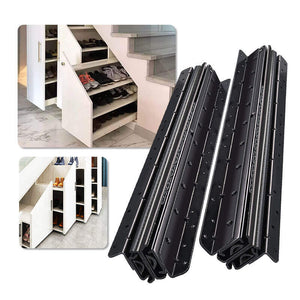
Undermount drawer runners are installed beneath the drawer, remaining hidden from view. They are popular in modern British kitchens and premium furniture.
Key features:
-
Completely hidden design
-
Smooth and quiet movement
-
Often include soft-close or push-to-open
-
Require precise drawer construction
Best for:
-
Modern kitchens
-
Handle-less cabinets
-
Bespoke joinery
-
High-end furniture
This type focuses on aesthetics and user experience rather than installation simplicity.
3. Soft-Close Drawer Runners
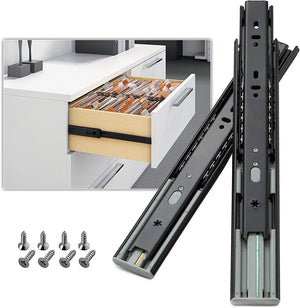
Soft-close drawer runners prevent slamming by slowing the drawer before it closes fully.
Key features:
-
Quiet, controlled closing
-
Reduced wear on cabinet structure
-
Improved user comfort
Soft-close functionality is now widely expected in UK residential projects, especially kitchens and wardrobes.
4. Push-to-Open Drawer Runners
Push-to-open runners allow drawers to open with a gentle press, removing the need for handles.
Key features:
-
Ideal for minimalist designs
-
Clean and modern appearance
-
Often combined with undermount systems
They are frequently used in contemporary flats and modern home renovations across the UK.
How to Choose the Right Drawer Runners: Step-by-Step
Choosing drawer runners should always follow a logical process.
Step 1: Determine Load Capacity
Start by considering what the drawer will hold.
-
Cutlery or stationery → Light-duty
-
Kitchen utensils or clothing → Medium-duty
-
Tools or appliances → Heavy-duty
Always choose a runner rated higher than the expected load to ensure long-term reliability.

Step 2: Choose Extension Type
-
Partial extension: Drawer opens part way
-
Full extension: Drawer opens completely
For deep cabinets, full-extension drawer runners are strongly recommended to allow easy access to items at the back.
Step 3: Consider Installation Space
Measure the internal cabinet width and depth carefully.
Some drawer runners require:
-
Specific side clearances
-
Flat drawer bottoms
-
Precise mounting heights
Incorrect measurements are the most common cause of installation failure.
Step 4: Decide on Movement Style
Ask yourself:
-
Do you want soft-close comfort?
-
Do you need push-to-open functionality?
-
Is silent operation important?
The answers will narrow down your options quickly.
Common Drawer Runner Installation Mistakes
Avoiding these mistakes can save hours of rework:
-
Choosing runners that are too short or too long
-
Ignoring load ratings
-
Installing runners out of level
-
Using unsuitable screws
-
Over-tightening mounting points
Always follow the manufacturer’s installation guidance.

Where Different Drawer Runners Work Best
| Application | Recommended Runner Type |
|---|---|
| Kitchen cabinets | Undermount soft-close runners |
| Wardrobes | Full-extension runners |
| Bathroom units | Corrosion-resistant runners |
| Utility storage | Side-mount heavy-duty runners |
| Office furniture | Smooth-running full extension |
Matching the runner to the environment ensures durability and user satisfaction.
Maintenance Tips for Long-Lasting Performance
Even the best drawer runners benefit from basic care:
-
Keep runners clean from dust
-
Avoid exceeding load limits
-
Check fixings periodically
-
Do not lubricate unless specified
Proper maintenance extends service life significantly.
Final Thoughts: Choosing Drawer Runners with Confidence
Drawer runners may be hidden inside your cabinets, but their impact on daily use is enormous. By understanding the different types available in the UK market and following a structured selection process, you can avoid common problems and achieve professional results.
Whether you’re planning a single DIY project or specifying hardware for multiple installations, choosing the right drawer runners ensures smoother operation, better durability, and a higher-quality finished cabinet.
A little planning now makes a big difference every time the drawer is opened.